
The Allure of Risk and Reward
The psychology of gambling is deeply intertwined with the human tendency to seek risk and the potential for reward. Modern casinos are meticulously designed to take advantage of this psychological inclination, creating an atmosphere where the excitement of winning can easily overshadow the reality of losing. For many individuals, the thrill of taking risks is inherently attractive, and the anticipation of hitting a jackpot can lead to an adrenaline rush that compels players to continue trying their luck, particularly in an online casino ontario fast withdrawal environment where transactions are seamless and quick. This often results in them spending more time and money than initially planned, driven by the seductive prospect of a big win.
Moreover, the concept of variable rewards plays a pivotal role in captivating players. Unlike scenarios with fixed payoffs, variable rewards—such as those found in slot machines—introduce an element of uncertainty and excitement. This unpredictability can foster a psychological response known as the „near miss,“ where players come tantalizingly close to winning but ultimately fall short. Such experiences evoke strong emotional reactions, encouraging continued play in the hope that the next round will yield the desired outcome. This psychological dynamic keeps players engaged, often blinding them to the potential for significant losses.
The social aspect of gambling further enhances its allure. Many individuals relish the communal experience found in casinos, where they can share in the excitement of wins and losses alike. This environment not only fosters social interaction but also promotes peer influence, which can lead to increased gambling behavior. Celebrating victories or discussing strategies with fellow players can amplify the overall experience, making it more challenging for individuals to recognize the risks associated with their gambling habits. Thus, the interplay of risk, reward, and social connection creates a compelling environment that draws players in.
Cognitive Biases and Gambling Behavior
Cognitive biases significantly shape gambling behavior, often leading individuals to make irrational decisions. One particularly notable bias is the illusion of control, which leads players to believe they can influence the outcomes of games, especially those based on chance. This belief is particularly evident in games like roulette or dice, where players develop personal strategies that they think will enhance their chances of winning. Despite the reality that outcomes are determined entirely by random chance, players persist in these beliefs, illustrating how cognitive biases can cloud judgment and lead to repeated gambling.
The gambler’s fallacy is another prevalent cognitive bias affecting gamblers, characterized by the belief that past outcomes can influence future results. For instance, a player may convince themselves that a roulette wheel is „due“ to land on red if it has landed on black several times consecutively. This flawed reasoning can lead to poor decision-making and, consequently, significant losses. By recognizing these cognitive biases, one can better understand the psychological dynamics at play in gambling, as they often entrap players in cycles of hope and disappointment.

Furthermore, confirmation bias affects how gamblers interpret their experiences. Many players tend to focus on successful outcomes while conveniently ignoring their losses, creating a distorted perception of their overall performance. This selective memory reinforces the belief that winning occurs more frequently than it actually does, perpetuating continued gambling. Understanding these cognitive biases is essential not only for players but also for those involved in gambling addiction prevention, as awareness can foster healthier gambling practices and informed decision-making.
The Role of Environment in Gambling Psychology
The environment within modern casinos is meticulously designed to enhance psychological engagement and encourage prolonged gambling sessions. From the layout and design to the sounds and lighting, every element aims to create an immersive experience that distracts players from the passage of time and the reality of their spending. The bright lights, vibrant colors, and sounds of winning serve to stimulate excitement, helping to maintain player engagement and prolong gameplay.
Additionally, casinos often employ strategies such as offering complimentary drinks and entertainment to keep players on the gaming floor longer. These offerings not only enhance the gambling experience but also foster a sense of immersion and loyalty. Patrons may feel valued and cared for, which can lead to increased spending as they associate the casino environment with enjoyable experiences. This carefully curated atmosphere can obscure players‘ awareness of their gambling behavior, making it more likely for them to continue wagering without fully grasping the risks involved.
Moreover, the spatial arrangement of games within casinos can significantly impact gambling behavior. High-risk games are frequently positioned in prominent locations to attract players who may not have initially intended to engage. The strategic placement of slot machines, card tables, and other gaming options encourages exploration and interaction, often leading players to gamble more than they originally planned. The connection between the environment and psychology is undeniable, as casinos leverage this dynamic to maximize their profits while players remain largely unaware of the underlying psychological manipulations at play.
The Emotional Roller Coaster of Gambling
The emotional landscape of gambling is complex, often resembling a roller coaster of highs and lows. The initial thrill of playing, coupled with the hope of winning, can elicit feelings of euphoria. However, these feelings can quickly transition to despair when losses occur. This emotional volatility is a core aspect of what makes gambling so compelling, as players chase the highs of winning while simultaneously trying to mitigate the lows of losing. This constant emotional fluctuation can create a powerful dependency on the gambling experience.
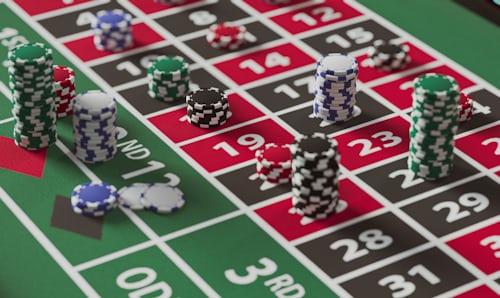
Furthermore, the emotional responses linked to gambling can lead to addiction and compulsive behaviors. As players find themselves ensnared in a cycle of chasing losses, they may become increasingly desperate to recapture the highs of previous wins. This desperation can result in significant financial and personal consequences, as individuals may wager more than they can afford in hopes of recouping their losses. The interplay of emotion in gambling behavior underscores the necessity of understanding one’s mental state and recognizing the potential risks involved in gambling activities.
The influence of emotion extends beyond individual experiences; it also impacts the social dynamics within gambling environments. Players often feed off the emotions of those around them, creating a shared atmosphere of excitement or disappointment. While this communal experience can enhance the enjoyment of gambling, it can also exacerbate negative behaviors, leading individuals to make irrational decisions driven by the emotions of others. Therefore, understanding these emotional dynamics is critical for both individual players and the broader gambling community.
Finding Balance in Gambling Experiences
Comprehending the psychology of gambling is essential for achieving a balanced approach to this popular activity. Individuals who engage in gambling must be aware of the psychological factors at play and develop strategies to ensure responsible gaming practices. Setting limits on the time and money spent can help individuals maintain control over their gambling habits and mitigate the risk of descending into problematic patterns. By establishing clear boundaries, players can enjoy the thrill of gambling while minimizing negative consequences.
Education plays a crucial role in promoting healthy gambling behaviors. By learning about the cognitive biases and emotional experiences associated with gambling, individuals can make informed decisions and remain vigilant about their actions. Many casinos provide resources and information about responsible gambling, recognizing the importance of supporting patrons in maintaining a healthy balance between enjoyment and risk. This educational approach can empower players to make better choices and recognize when their gambling may be becoming problematic.
Creating awareness around gambling psychology not only benefits individuals but also the broader community. Stakeholders can collaborate to foster environments that promote responsible gambling and offer support for those who may struggle with addiction. Encouraging open discussions and providing resources can help the gambling industry play a pivotal role in guiding individuals through their experiences, ensuring they can enjoy gambling while remaining mindful of the inherent risks. Ultimately, promoting a culture of responsible gambling is essential for the well-being of both players and the community at large.